
Cannabis beverages are changing the way people unwind, socialize, and manage their wellness routines. From low-dose THC seltzers to terpene-infused adaptogenic shots, these drinks are becoming a defining force in the cannabis category—and the key to their success is often what’s happening behind the scenes
For the first time in over four decades, consumption trends suggest that daily cannabis use in the U.S. has overtaken daily alcohol consumption. Combine that with projections that the global THC seltzer market will hit $2 billion by 2030 (Wall Street Journal), and it’s clear we’re not just watching a trend—we’re seeing a shift in culture, consumption, and consumer preference.
But behind every great THC seltzer or adaptogenic hemp shot is a high-stakes formulation process that rarely gets talked about. From unstable emulsions to clashing flavor stacks, beverage R&D isn’t a plug-and-play science. This is where the right water-soluble terpene solution can shift the trajectory of a product line—from interesting concept to repeat-purchase essential.
1. The Rise of Cannabis Beverages: A New Social Ritual
Cannabis drinks aren’t new, but the way we’re talking about them is. A few years ago, they were an afterthought—a dispensary curiosity. Today, they’re showing up in Whole Foods-style fridges, infused cocktail menus, and even fitness recovery lounges. The shift is cultural, not just commercial. Consumers are craving functionality over intoxication. They want to vibe—not vanish.
This category is no longer about replacing alcohol. It’s about reshaping the entire idea of what a beverage can do. Whether you’re microdosing with a 2mg THC social seltzer or sipping a 10mg infused nightcap, cannabis drinks are tapping into modern rituals: intentional, light-touch, and lifestyle-aligned.
1.1 Why It’s Happening Now
- 72% of Gen Z say they’re actively cutting back on alcohol and looking for functional alternatives.
- The global THC-infused beverage market is projected to surpass $2B by 2030.
Part of this momentum comes from formulation breakthroughs. With nanoemulsion tech, cannabis drinks now kick in within 10–20 minutes, making them more usable and predictable than traditional edibles. And unlike smoking, they’re discreet, dosable, and designed for new routines.
In fact, beverage brands like Cann, backed by celebrities like Gwyneth Paltrow and Rebel Wilson, have capitalized on this very principle—creating low-dose, terpene-rich drinks that deliver a smoother, more social buzz. Meanwhile, cannabis drink mentions have surged over 4x on platforms like Instagram and LinkedIn since 2022 (Statista). This isn’t a moment—it’s a movement.
1.2 Where They Fit In: Cannabis Beverage Use Case Scenarios
The real growth is in function-first cannabis beverages. Here’s how brands are positioning SKUs:
| Drink Type | Primary Audience | Common Pairing | THC Range |
|---|---|---|---|
| Sparkling THC waters | Sober curious / social sippers | Limonene + Pinene | 2–5mg |
| Mocktails & elixirs | Premium/wellness audience | Linalool + adaptogens | 5–10mg |
| Sleep & unwind blends | Sleep-deprived, wellness-seeking | Myrcene + CBN | 10mg+ |
Whether it’s a “daytime creative flow” shot or a “Netflix and Chill” spritzer, products are built around feeling—flavor just makes it easier to reach.
1.3 The Formulation Edge
Formulation is where cannabis drinks either win or fall flat. Here’s what separates shelf-ready from shelf-sitters:
- Emulsion clarity: Does it stay mixed or separate after 48 hours?
- Flavor masking: Are bitter cannabinoid notes overpowering the base?
- Label compliance: Are you declaring terpene content accurately?
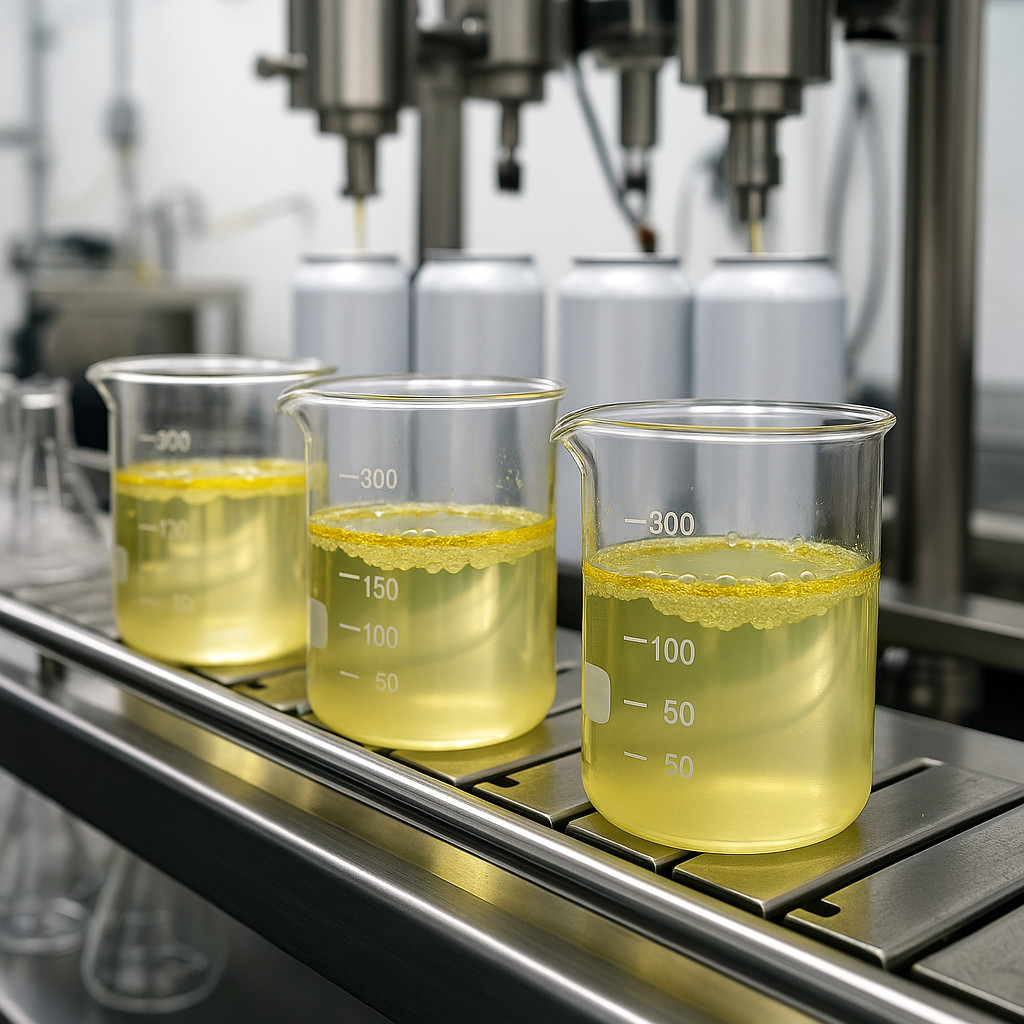
This is where terpene-forward, water-soluble solutions change the game. They offer:
- Clear dispersion—no cloudy finish
- Neutral base—so your hibiscus flavor tastes like hibiscus, not hash
- Shelf stability—so you can scale without re-formulating
As a brand, you’re no longer just selling a buzz. You’re curating an experience—and getting that right starts at the formulation bench.
2. Why Terpenes Matter in Cannabis Beverage Formulation
What sets standout cannabis beverages apart is their terpene depth—not just their cannabinoid content. That’s what separates flat, one-note formulations from beverages that spark actual loyalty. But here’s the catch: using terpenes well isn’t just about what you add — it’s about how you integrate them.
Flavor Isn’t an Afterthought — It’s the Hook
Consumers don’t chase THC percentages in cannabis beverages the way they might with flower. They chase flavor, feel, and ritual. Terpenes make all three possible. Whether you’re crafting a limonene-forward yuzu spritz or a linalool-cushioned lavender tonic, your terpene strategy defines the drink’s personality — and shelf appeal.
Here’s a quick look at what top beverage formulators are prioritizing when selecting terpenes:
- Does it mask the bitter base?
- Does it layer well with adaptogens or nootropics?
- Does it support the functional claim (“Relax,” “Focus,” etc.)?
Strategic Pairings for Functional Positioning
Terpenes don’t work in isolation — the most successful brands pair them with mood-based claims and ingredient stacks that make sense. Here are a few go-to combinations:
| Functional Angle | Terpene Stack | Popular Add-ons |
|---|---|---|
| Relaxation | Myrcene + Linalool | Reishi, magnesium, chamomile |
| Focus | Pinene + β-Caryophyllene | L-theanine, ginseng, green tea |
| Energy / Uplift | Limonene + Terpinolene | Guayusa, matcha, B12 |

Formulators are leaning into these stacks not just for efficacy, but because they create flavor congruency. A citrus note should feel bright, energetic. A minty blend should feel clean and crisp. Terpenes help map these experiences with precision.
Why Cannabis Beverage Brands Come to LiveTerpenes
If you’ve worked with bulk terpenes before, you know the pitfalls: inconsistent profiles, overpowering notes, emulsions that don’t hold up. That’s why more brands are turning to curated, water-compatible terpene blends.
At LiveTerpenes.us, we deliver:
- Consistent strain-inspired blends that align with functional outcomes
- Neutral-base, water-soluble formats built for clean infusion
- Compliance-ready documentation for retail, DTC, and co-packing
This isn’t plug-and-play flavoring. It’s beverage-grade terpene architecture — designed to scale with your brand, not complicate it.
3. Water-Soluble Terpenes: The Missing Link in Cannabis Beverages
Formulating cannabis beverages isn’t just about flavor anymore. Brands today face a tough matrix of R&D speed, regulatory demands, shelf-life testing, and consumer experience expectations. Yet one technical hurdle continues to trip up even experienced formulation teams: how to get terpenes to behave in a liquid system.
Many cannabis beverages fail shelf testing due to poor oil dispersion. Oil-based terpenes separate, cloud, and cling. You’ve probably seen it yourself—rings at the top of the bottle, sediment forming within days, and an aroma profile that doesn’t hold through packaging or pasteurization. This isn’t just an aesthetic problem; it’s a formulation risk, especially when precision dosing is involved.
Common Issues with Oil-Based Terpenes in Cannabis Beverages
- Separation: Visible oil droplets, sedimentation, or floating rings make the product look unstable on shelves.
- Inconsistent dosing: Cannabinoids and actives don’t distribute evenly across servings, risking consumer experience and regulatory compliance.
- Harsh taste profile: Bitter or pungent notes interfere with flavor balance, especially when combined with sweeteners or fruit bases.
- Processing fallout: Thermal processes like flash pasteurization can degrade aroma and clarity.
What Sets Water-Soluble Terpenes Apart
Water-soluble terpenes are engineered for liquid systems. At LiveTerpenes.us, we use a cold-dispersible process that doesn’t just emulsify the oil—it transforms it into a beverage-friendly format that works across formulations, co-packers, and regulatory workflows. You get clarity, flavor neutrality, and consistency in every batch.
| Formulation Metric | Oil-Based Terpenes | Water-Soluble Terpenes |
|---|---|---|
| Clarity in carbonated liquids | Low | High (no haze or sediment) |
| Flavor retention post-fill | Unreliable | Stable through pasteurization |
| Shelf stability (ambient) | 1–2 weeks (requires stabilizers) | 90+ days with no additives |
| Compatibility with cannabinoids | Varies by emulsion | Even distribution, consistent dosing |
Where This Matters Most
If you’re developing a beverage line that includes cannabinoids, adaptogens, or other functional ingredients, terpene compatibility becomes a make-or-break factor. We’ve seen brands improve throughput and flavor performance just by switching to a water-soluble terpene system during the pilot phase.
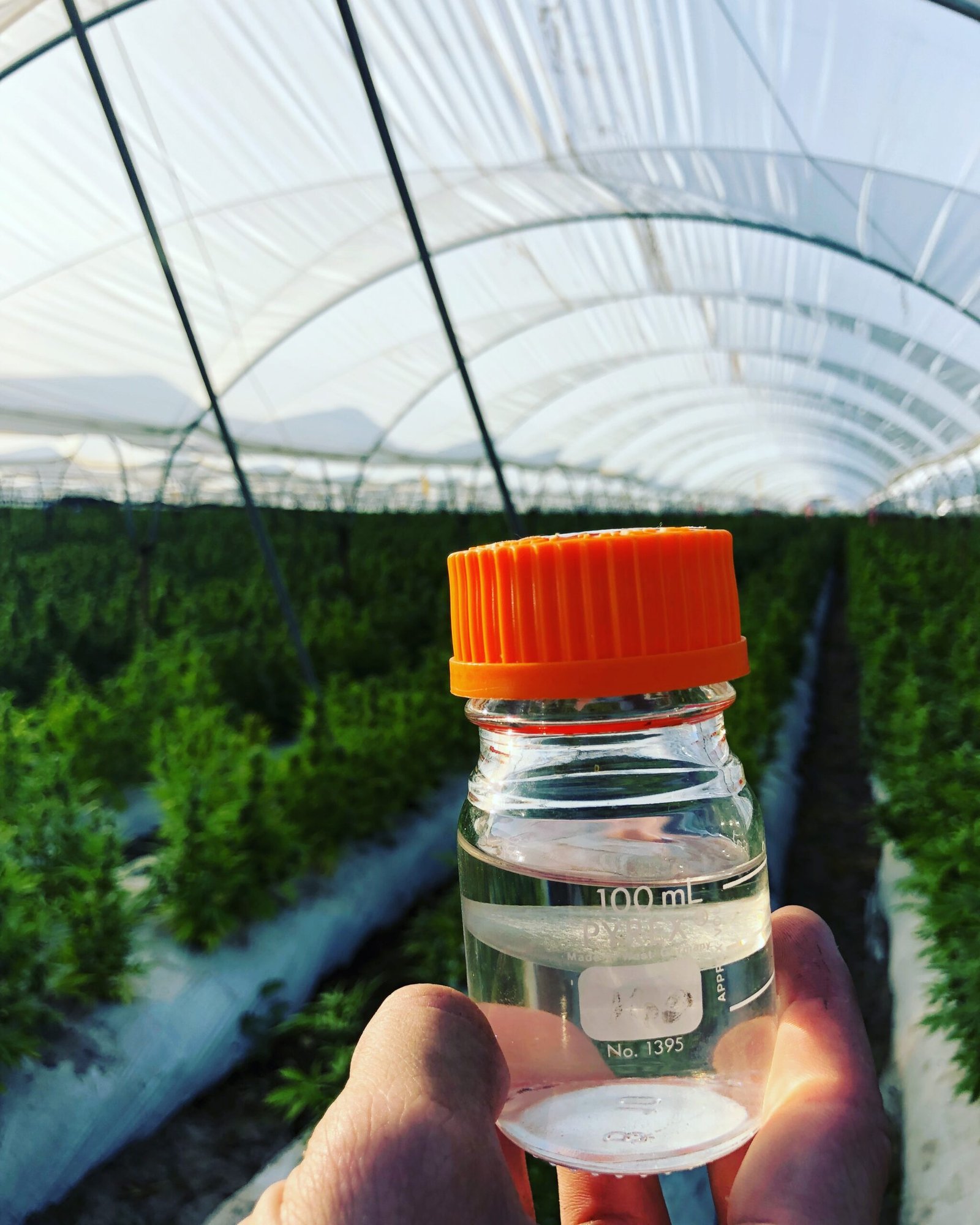
Whether you’re launching a THC-infused social seltzer, a myrcene-forward relaxation shot, or a sparkling botanical tonic with no actives at all, the same truth applies: your terpene format can help you scale—or stop you cold. With the right delivery system in place, you eliminate surprise variables and focus on what really matters: building a beverage worth buying again.
4. Behind the Bar: Cannabis Beverage Brands Using Terpenes
Once the formulation challenges are under control, the real question becomes: how are terpene systems showing up in market-ready products? We’ve worked alongside cannabis beverage brands who are launching their first infused SKU and others navigating scale production across multiple states. Across the board, terpenes are emerging as a differentiator—not just for flavor, but for function, user experience, and product positioning.
Product Formats Where Terpenes Are Winning
Here’s how beverage brands are integrating terpene science across categories:
| Format | Common Use Case | Terpene Strategy |
|---|---|---|
| THC-infused sparkling waters | Low-dose, social sipping alternative to alcohol | Limonene + pinene for clarity and mood lift |
| CBD wellness shots | Evening routines, stress recovery | Myrcene + linalool for calm and relaxation |
| Functional mocktails (non-infused) | Sober-curious, daytime boost | Strain-inspired blends with zero THC or CBD |
What connects these formats isn’t just the presence of terpenes—it’s how brands are using them to define consumer moments. In a crowded space where cannabinoids alone no longer guarantee shelf presence, sensory differentiation matters more than ever.
Three Friction Points Brands Keep Running Into
Even the most innovative concepts stall out when formulation friction hits. These are the most common technical pain points we see across beverage launches:
- Flavor clash: Off-notes from cannabinoids or preservatives can’t always be covered up with sugar or fruit flavoring. Terpenes act as a bridge, not a mask.
- Visual separation: In shelf tests, oil separation kills consumer trust instantly. Water-soluble terpene systems eliminate this variable.
- Scaling issues: A formulation that works in a test kitchen often falls apart when moved to co-packing. Consistency in terpene integration is key.
The beverage teams that are winning aren’t just chasing flavors—they’re using terpenes to build structure into their formulas from day one. That’s the difference between a drink that performs well in market versus one that looks good on a slide deck but never makes it past R&D.
What Cannabis Beverage Leads Actually Ask For
We regularly hear from product managers, food scientists, and CPG innovation leads looking for very specific things: terpene systems that blend fast, taste clean, and hold up across months. That’s not a wishlist—it’s a checklist that determines whether a line gets greenlit or shelved.
When water-soluble terpenes can shorten time-to-market, reduce flavor rounds, and stay stable through distribution, they stop being a novelty and become a core ingredient strategy. For the brands we work with, that shift has meant faster launches, better repeat purchase rates, and fewer reformulations down the line.
5. From Function to Flavor: Designing Better Cannabis Drink Experiences
The best-performing cannabis beverages do more than deliver cannabinoids. They taste great, hit consistently, and align with a specific use case or mood. In short—they’re functional, flavorful, and repeat-worthy. Terpenes, when deployed with intention, support all three.
Formulation Strategy: Effect-First or Flavor-First?
Most cannabis beverage brands take one of two paths when they start formulating: they either begin with a target effect and reverse-engineer the profile, or they start with a specific flavor system and layer in actives and functional stacks. Terpenes are one of the few inputs that support both. They’re adaptable enough to deliver on a mood—like calm, energy, or focus—but subtle enough to complement rather than overpower a flavor system.
We’ve seen brands build entire lines around effect-first architecture. Think of an infused social seltzer lineup like:
- Unwind: Myrcene + Linalool – Lavender citrus, built for mellow evenings
- Focus: Pinene + Limonene – Crisp green apple, daytime use
- Lift: Ocimene + Caryophyllene – Tropical spice, mood-brightening
Each product can be tweaked further—boosted with green tea extract, B-vitamins, or adaptogens depending on the shelf it’s meant to land on. Terpenes give R&D teams the language and raw material to make that nuance possible.
Improving Sessionability, Not Just Effect
We’ve talked about terpene balance helping with off-notes—but where it really shines is in making a drink feel finished. Terpenes can round out bitterness, create cleaner finishes, and enhance aroma lift on the nose without adding artificial top notes. That’s critical when you’re designing for repeat purchase, especially in low-dose or session-style formats.
For example, in a sparkling beverage targeting the sober-curious crowd, you might use a light limonene + geraniol blend that mimics cocktail acidity without leaning on high citric loads. It lets you hit the sensory notes of a gin & tonic or spritz without requiring alcohol, sugar, or synthetic boosters.
Terpenes as Brand Assets
There’s growing interest in using terpene profiles as part of product storytelling—blends that align with product names, mood claims, or experiential promises. When you name a product something like Golden Hour, the terpene profile should reflect what that feels like. That could mean a limonene-forward profile for brightness, with subtle support from beta-caryophyllene for a grounding effect.
Some of the most distinct brands we’ve worked with treat their terpene blend like a house flavor base—a proprietary signature that threads across SKUs and builds memory for the consumer. It’s not just about what’s functional. It’s about what’s recognizable, ownable, and part of the brand’s sensory identity.
6. Why LiveTerpenes.us Is the Go-To for Cannabis Beverage Creators
We’ve worked with brands operating out of licensed kitchens, shared co-packers, and large-scale bottling facilities. Across the board, the needs are the same: rapid formulation, low guesswork, stable inputs, and a partner who gets the nuance of beverage systems.
What Cannabis Beverage Formulators Really Need
The feedback we hear most often from beverage R&D leads includes:
- Faster iteration cycles: Getting to MVP in fewer flavor rounds.
- Shelf-stable clarity: No haze, separation, or reactivity with packaging.
- Documentation on lock: CoAs, formulation support, Farm Bill compliance out of the box.
That’s exactly what we’ve built our terpene systems for. These aren’t reformulated vape blends—our water-soluble profiles are designed from the ground up for beverage compatibility.
What Sets LiveTerpenes.us Apart
- Batch-to-batch consistency: All inputs are lab-verified and sensory tested. You get what you piloted—every time.
- Flexible formats: Whether you’re working with nanoemulsions or traditional extracts, our blends integrate cleanly.
- Customization with context: We don’t just take briefs—we ask the right questions about function, flavor, and formulation tech.
How Cannabis Beverage Brands Actually Use Us
We’ve helped:
- Reduce flavor rounds by 30–40% during formulation.
- Stabilize shelf tests that were failing due to terpene migration.
- Map mood-based terpene stacks to brand architecture across 4+ SKUs.
And we’re not hands-off. If you need flavor input, sample blends, or help translating a mood brief into a sensory map—we’ll hop on a call. That’s what we’re here for.
Choosing Between DTC and Co-Packers
| Model | Benefits | Challenges |
|---|---|---|
| Direct-to-Consumer (DTC) | Full brand control, quick feedback loops, better margins | Logistics heavy, limited scaling without ops support |
| Co-Packer Model | Scalable production, reduced overhead, technical support | Less control, potential MOQ and lead time hurdles |
Whether you’re running small-batch pilots or preparing for national rollout, we’ve designed our terpene systems to meet you where you are.
Not sure which terpene blend fits your formulation? Schedule a discovery call with our team or explore our catalog to get started.