
Anyone who has formulated cannabis gummies knows the challenge. You can have a solid recipe, a reliable emulsion, and a balanced sweetness, yet the final flavor still feels a little synthetic. It is common across the industry and it usually has nothing to do with poor ingredients or technique.
Most gummies taste artificial because the flavor system is working against the base. Cannabis extracts bring a natural bitterness and weight that standard food flavors were never designed to handle. Botanical terpene blends and candy flavors perform well in regular confectionery, but they lose nuance when paired with cannabinoids and the heat used during infusion. This creates a narrow flavor profile that leans sweet or sour without much depth.
On top of that, delicate aromatic compounds burn off easily during cooking. Once those top notes disappear, brands often compensate with stronger sweeteners or “louder” flavorings, which can push the final product into that familiar neon-candy territory. The result is a gummy that tastes acceptable, but not memorable, and certainly not representative of the strain or concept behind it.
Understanding this foundation makes it much easier to build gummies that taste clean, layered, and intentional. The next section breaks down what is actually happening inside the pot and why so many flavor systems fall short.
The Real Reason So Many Cannabis Gummies Taste Artificial
Most cannabis gummies drift toward an artificial flavor profile for a simple reason. The flavor inputs were never built with cannabis in mind. Food flavors are formulated for neutral bases like syrups, juices, or confectionery gels. Once they meet cannabinoids, the chemistry shifts. The bitterness from distillate competes with the intended notes, and the heavier mouthfeel of cannabis oil weighs down the bright, volatile aromatics that give a gummy its top-layer taste.
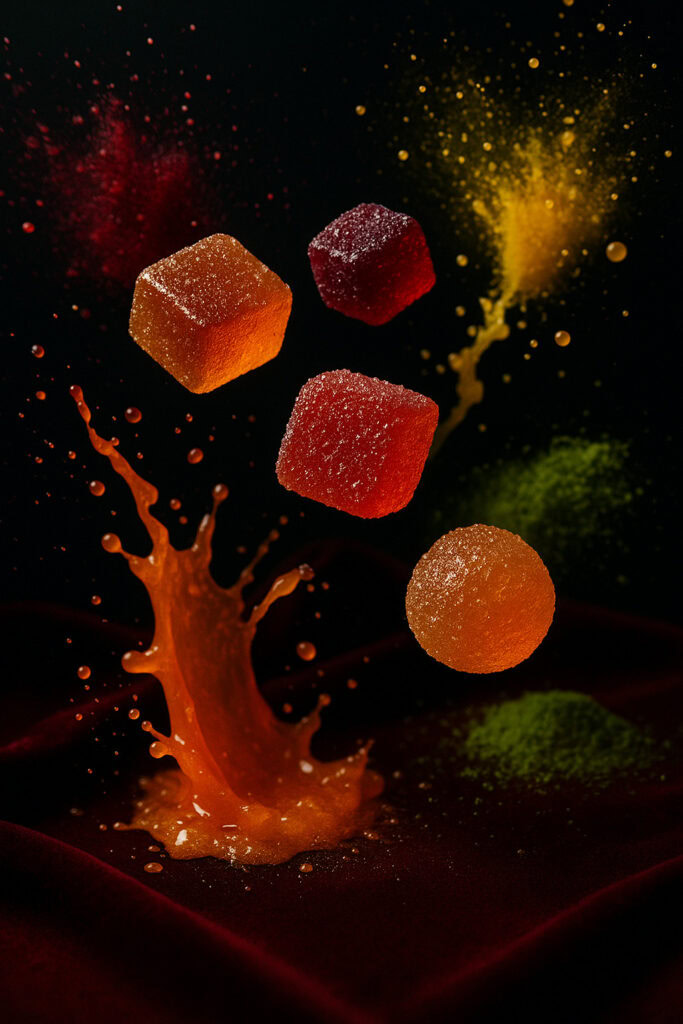
To work around this, many formulators reach for strong fruit blends, synthetic esters, or botanical terp mixes. These can help, but they often create the same outcome. The flavors sit on top of the gummy instead of integrating with it. After setting, the profile feels thin at the start and overly sweet at the finish, and whatever complexity existed in the bowl usually fades by the time the product is packaged.
Heat is another factor. During infusion, gummies spend enough time above the threshold where delicate aromatics start to break apart. Anything that carries freshness, creaminess, floral notes, or crisp fruit character is the first to go. When this happens, brands compensate with sugar, color, and louder candy flavors. It covers the issue, but it also pushes the entire profile toward that familiar artificial taste.
One more reason this happens is that many terpene blends used in edibles are missing the compounds that actually drive realistic fruit and strain-inspired flavor. Cannabis-specific esters, thiols, and aldehydes do most of the heavy lifting, and these molecules are rarely present in botanical blends. Without them, fruit profiles flatten and strain-forward concepts lose their identity.
None of this is a failure of technique. It’s simply the result of using flavors that were not made for cannabis and a process that is tough on nuance. Once you understand these variables, the path to cleaner, more natural gummy flavor becomes much clearer.
How Live Cannabis Terpenes Transform Gummy Flavor
Live cannabis terpenes behave very differently from standard food flavors or botanical blends. Because they come directly from fresh plant material, they carry the same esters, thiols, aldehydes, and volatile compounds that give cannabis its natural fruit, tropical, dessert, floral, and gas notes. These are the same compounds that disappear during hot extraction or curing. Bringing them back into edibles changes the entire flavor foundation.
What Live Terpenes Add That Traditional Flavors Can’t
- Real fruit and dessert tones driven by natural esters and aldehydes rather than synthetic candy notes.
- Clear strain character that feels integrated into the gummy instead of sitting on top of it.
- Cleaner transitions between top, mid, and finish, which avoids the sharp artificial aftertaste.
- Lower terpene load required because fresh profiles are more concentrated and balanced.
- Better interaction with cannabis oil since these compounds evolved with cannabinoids, not apart from them.
Key Compounds That Make a Difference
| Compound Type | What It Contributes To Gummies | Why It Matters |
|---|---|---|
| Esters | Juicy fruit, candy-like sweetness, tropical lift | Most food flavorings use synthetic esters. Cannabis esters produce more natural character. |
| Aldehydes | Citrus peel, floral brightness, green fruit edges | Gives depth and freshness without forcing sourness. |
| Thiols | Gas, funk, ripe fruit, savory complexity | Impossible to mimic with botanicals and critical for certain strain profiles. |
| Oxygenated Terpenes | Creamy notes, herbal lift, smooth finish | Survive politely in low-heat edible production. |
How This Plays Out in Real Formulations
- Cleaner top notes because live profiles carry real volatile compounds that survive low-heat infusion.
- More natural sweetness since the terpene system supports fruit rather than competing with it.
- Less need for masking agents because bitterness is balanced, not buried under sugar.
- Higher flavor stability during shelf life due to better molecular compatibility with cannabinoids.
Examples of How Live Profiles Shift Flavor
| Common Gummy Flavor | With Standard Flavors | With Live Terpenes |
|---|---|---|
| Strawberry | Syrupy, candy-forward, narrow | Brighter fruit, hints of cream, more realistic finish |
| Pineapple | Tart and top-heavy | Ripe fruit depth from natural esters, smoother acid balance |
| Tropical Mix | Sweet-sour punch | Layered mango, papaya, guava, or citrus complexity |
| Strain-Inspired | Generic “fruit plus terp” vibe | Actual strain character from thiols and aldehydes |
Live terpenes do not overpower the gummy. They help the base work the way it should by supplying the compounds that typical flavor systems lack. The end result is a profile that reads as intentional and natural instead of forced or overly sweet.
Formulating Gummies With Live Terpenes (Simple Cheat Code)
Working live cannabis terpenes into a gummy formula does not require major process changes. Small adjustments in timing and dosage are usually enough to get cleaner flavor, better aroma, and a more natural finish. Below is a straightforward guide that most edible teams can apply immediately.
Recommended Dosage
| Gummy Style | Suggested Terpene Load | Notes |
|---|---|---|
| Fruit-forward gummies | 0.10–0.25% | Light, clean enhancement without shifting the core fruit flavor. |
| Dessert or cream-style gummies | 0.15–0.30% | Supports rounder profiles with oxygenated terpenes. |
| Strain-inspired gummies | 0.20–0.50% | Allows thiols, esters, and aldehydes to define the character. |
These ranges are starting points. Live profiles are more potent than botanical blends, so small adjustments make a noticeable difference.
When To Add Terpenes
- Fold terpenes into the mixture after heat whenever possible.
- Ideal temperature for addition is below 60°C.
- For pectin systems that set quickly, prepare a terpene premix for faster incorporation.
- If using nano-emulsions, add terpenes directly into the emulsion phase for better distribution.
Compatibility Across Bases
| Base Type | Performance With Live Terpenes |
|---|---|
| Gelatin | Excellent integration. Top notes remain crisp and clean. |
| Pectin | Stable flavor with faster aromatic release. Works well in vegan SKUs. |
| Vegan gel blends | Neutral platform allows strain notes to come through clearly. |
| Nano-emulsions | Even flavor distribution and improved stability during storage. |
Why Live Terpenes Blend Cleanly
- No solvents or fillers that create bitterness.
- Balanced ratios of compounds that evolved alongside cannabinoids.
- Lower required load, which reduces the risk of overpowering the gummy base.
- Better alignment with cannabis emulsion chemistry, resulting in smoother flavor release.
The result is a gummy that reads more natural and less forced. You get brighter fruit notes, clearer strain character, and a finish that feels clean rather than sticky or artificial.
The Consumer Shift Toward Natural, Strain-Inspired Edible Flavors
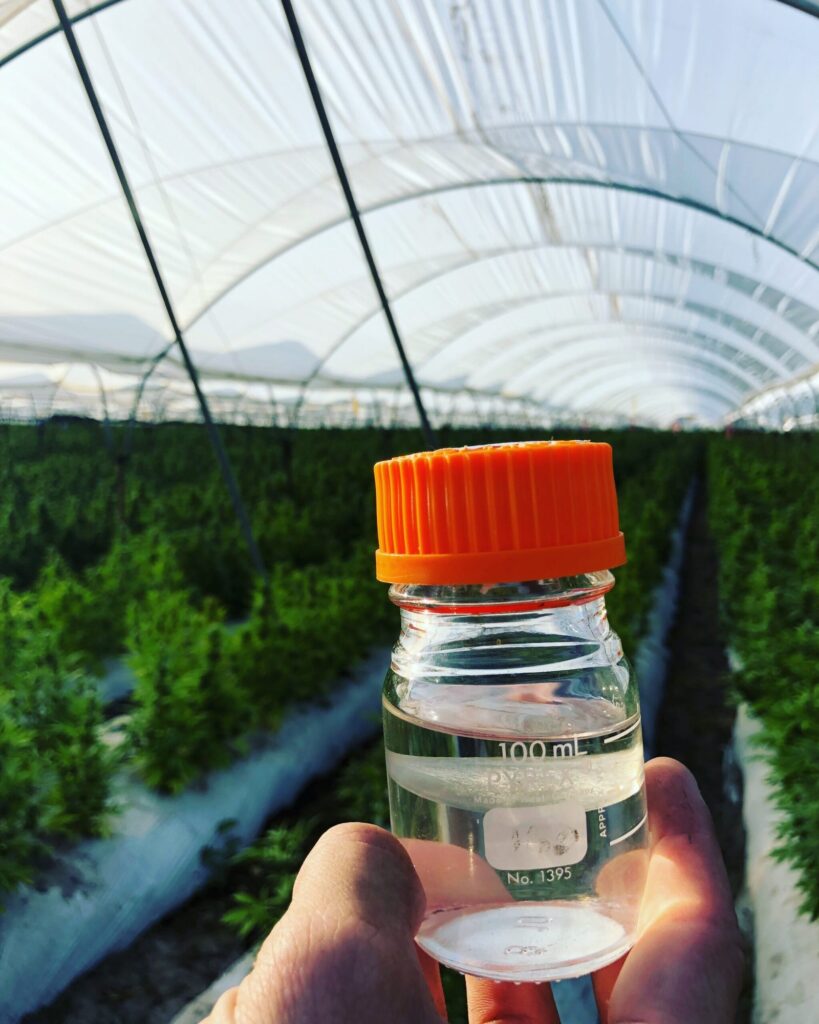
Edible consumers have become far more selective about flavor. What worked five years ago does not carry the same pull today. The market is moving away from generic “candy shop” profiles and toward flavors that feel intentional, balanced, and closer to the plant. Customers want gummies that taste good, but they also want flavors that make sense in a cannabis context.
What Consumers Are Prioritizing Now
- Natural-tasting fruit profiles instead of high-intensity artificial blends.
- Culinary-style flavors that borrow from real food categories like citrus, orchard fruit, toasted sugar, or tropical desserts.
- Strain relevance, where the flavor aligns with the cultivar name or effect profile.
- Cleaner ingredient decks with fewer artificial colorants and masking agents.
- Authenticity cues such as “fresh,” “solventless,” “live,” or “single-source.”
Gen Z and Millennial buyers in particular respond strongly to products that feel crafted rather than assembled. They look for edible lines that communicate freshness or real fruit complexity, and they quickly pick up on flavors that feel too sweet, too artificial, or too similar across brands.
Why Strain-Inspired Profiles Are Rising
- They create a stronger connection between the edible and the cannabis experience.
- They give brands more range than the standard fruit lineup.
- They align with how consumers already talk about cannabis.
- They help justify premium pricing by signaling craft and specificity.
A strain-forward gummy does not need to taste “weedy.” What customers want is recognizable character. A Sour Papaya gummy should feel brighter and more tropical than a Strawberry Gelato gummy. Pineapple Runtz should lean ripe and candy-like rather than simply “pineapple flavored.” These details matter because they give each SKU its own identity instead of relying on the same fruit base across multiple products.
What Edible Brands Are Reporting
| Observation | Impact |
|---|---|
| Cleaner, more natural flavor builds | Higher repeat purchase rates |
| Use of real cannabis-derived aromatics | Better product reviews and perceived quality |
| Shift away from heavy artificial masking | Lower formulation cost and fewer ingredients |
| More accurate strain-inspired naming | Stronger shelf differentiation |
Food trends also play a role. Flavors like lychee, yuzu, guava, burnt sugar, cream soda, and spiced citrus are appearing across beverages and snacks. Live cannabis terpene profiles naturally carry many of the compounds behind these flavors, which gives edible brands an easy way to participate in broader culinary trends without synthetic additives.
The direction is clear. Consumers want gummies that taste real and connected to the plant, not candy with cannabinoids added in. Brands that adopt this approach now set themselves up for stronger loyalty as the category matures.
Why Live Terpenes Works Well for Edible Formulation
Formulating gummies with real cannabis terpenes is straightforward when the input is clean, consistent, and captured in a way that preserves the compounds that matter. Live terpenes tend to fit easily into edible workflows because they carry the plant’s natural balance of aromatics without the additives or fillers that often complicate flavor development.
What Makes Live Terpenes a Strong Input for Edibles
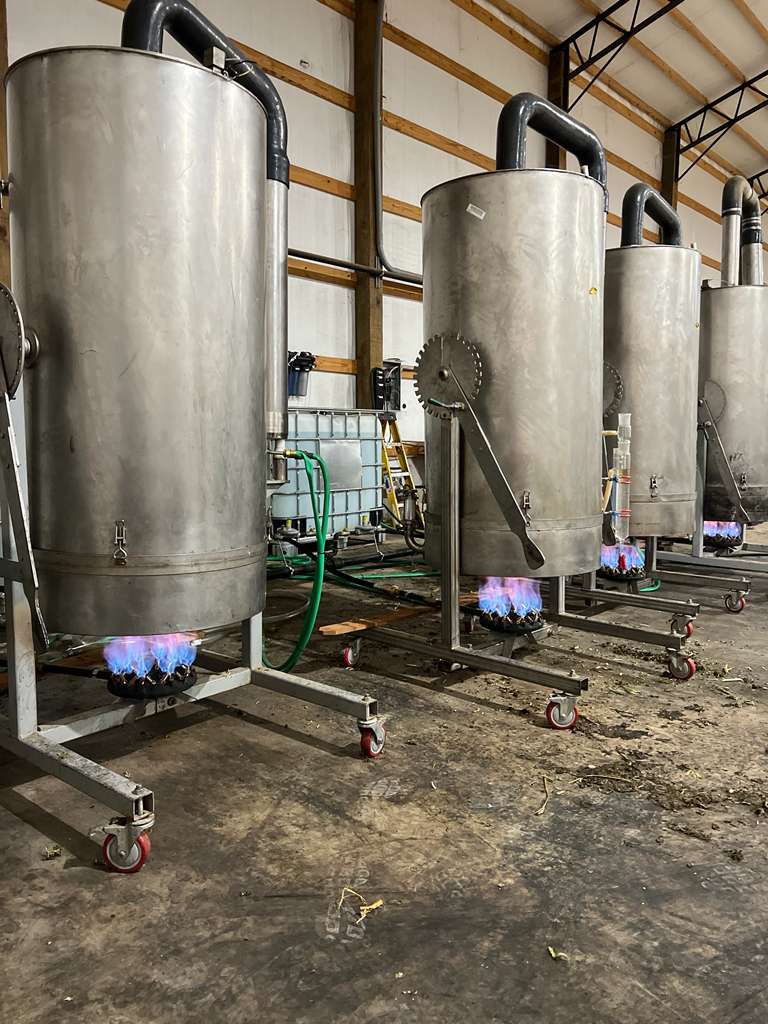
- Extracted within minutes of harvest so the profile maintains the lighter esters and aldehydes that give fruit and dessert notes their character.
- Zero solvents or carriers which prevents bitterness or “film” in the finish of the gummy.
- Fresh-frozen starting material that preserves delicate compounds typically lost in cured or dried inputs.
- Strain-specific profiles that feel more natural in a cannabis edible than generic fruit flavors.
- Consistent batch behavior which is important for brands producing at scale.
How This Helps Formulators
| Formulation Factor | Impact When Using Live Terpenes |
|---|---|
| Flavor accuracy | More realistic fruit, dessert, or strain-inspired character without heavy sweetening. |
| Bitterness management | Cleaner finish due to the absence of solvents or botanical carriers. |
| Integration | Smooth blending into gelatin, pectin, or vegan bases with minimal adjustments. |
| Stability | Better retention of aroma during storage because the profile matches the chemistry of cannabinoids. |
| SKU differentiation | More room to build distinct, recognizable flavors rather than variations of the same fruit profile. |
Where Live Terpenes Fit Best
- Fruit gummies that need cleaner top notes and less artificial sweetness.
- Strain-inspired SKUs where character matters more than loud candy flavor.
- Dessert-style gummies where oxygenated terpenes support creamy or toasted profiles.
- Functional SKUs where a balanced finish improves overall consumer perception.
The advantage here is not about intensity. It is about compatibility. When the aromatic system matches the chemistry of the base, the gummy tastes more natural and holds its character more reliably over time. This gives formulators a stronger starting point and reduces the common back-and-forth of adjusting sweetness, acidity, or masking agents to correct for the oil.
Final Takeaway: Clean Flavor Wins the Shelf War
The edible category is crowded, and most gummies compete within the same handful of fruit profiles. What separates the products that get repeat purchases from the ones that get sampled once is the flavor experience. Not intensity. Not sugar. Clean flavor that feels intentional and balanced.
When a gummy avoids the artificial edge and delivers a natural-tasting finish, consumers notice. They trust it more. They talk about it more. And they tend to stay loyal to the brands that get it right. This is where live cannabis terpenes make a meaningful difference. They give formulators the ability to build flavor from compounds that naturally pair well with cannabinoids instead of forcing the base to work around candy blends or masking agents.
As the market shifts toward better ingredients and more refined flavor profiles, gummies that taste closer to real fruit, real dessert notes, or real strain character have an advantage. They stand out on the shelf without needing louder colors or louder sweetness to make an impression.
For brands looking to upgrade flavor or develop new SKUs, working with live terpenes is a straightforward way to bring more depth, clarity, and authenticity into the formulation. It is not about making a gummy taste “like weed.” It is about using the right aromatic inputs to achieve a cleaner and more consistent result.
If you are exploring natural flavor options for an upcoming edible line, you can browse the strain catalog or request a sample kit to test live profiles with your base. A small trial batch is usually enough to see the difference in how the flavor sets, holds, and finishes.